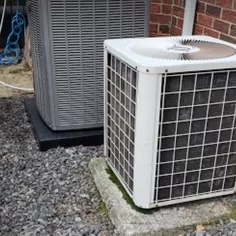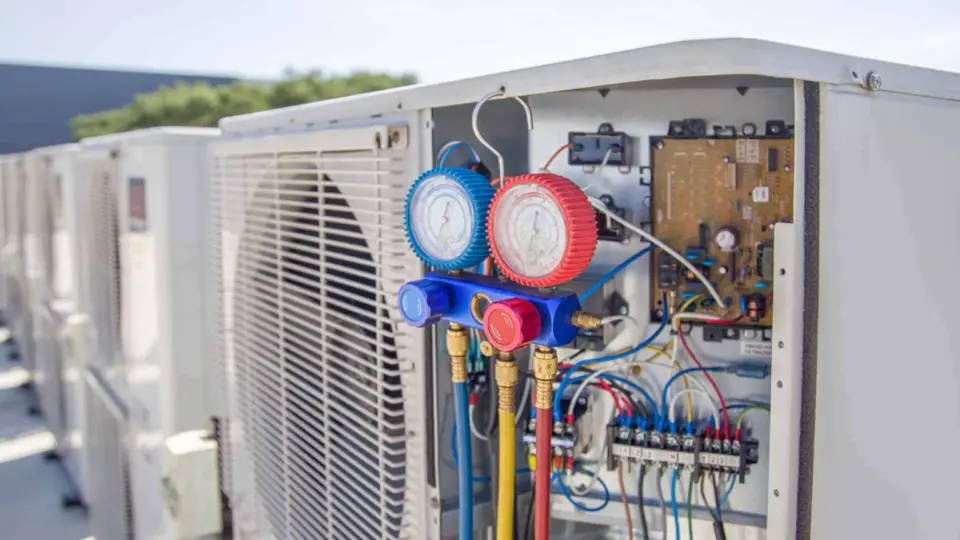


Bigger doesn’t always mean better, especially when it comes to your HVAC system. Choosing the right size can make a huge difference in your comfort and energy bills.
If your system is too small, it won’t keep up. Too big, and it may cycle too often and waste energy. That’s why HVAC system sizing is so important.
Many homeowners rely on an HVAC size calculator, but there’s more to it than just square footage. Things like insulation, layout, and windows all matter. Finding the proper HVAC size for your home helps you stay comfortable year-round without unnecessary costs or performance issues.
How Do I Calculate The Right HVAC Size For My House?
Getting the proper HVAC size for home comfort involves more than just measuring square footage. While size plays a role, professionals rely on a method called a Manual J load calculation.
What Factors are Considered?
- Square Footage
This gives a starting point, but it’s not the full picture. - Ceiling Height
Higher ceilings mean more air volume to cool or heat. - Number of Windows and Doors
More openings = more heat gain and loss. - Sun Exposure
Homes facing direct sunlight need more cooling power. - Insulation Quality
Well-insulated homes retain temperature better, reducing system demand.
Why Manual J Matters
A proper HVAC system sizing calculation ensures your unit matches your home’s exact needs instead of relying on guesswork.
While an online HVAC size calculator can give a rough estimate, it doesn’t account for all these variables in detail.
What Happens If My HVAC System is Too Big or Too Small?
This is one of the most common and costly mistakes homeowners make.
If Your HVAC System is Too Small
- Struggles to reach desired temperature
- Runs constantly
- Higher energy bills
- Shorter lifespan due to overuse
If Your HVAC System Is Too Big
- Turns on and off frequently (short cycling)
- Poor humidity control
- Uneven temperatures throughout the home
- Increased wear and tear
Why Balance Is Key
Proper HVAC system sizing ensures:
- Consistent comfort
- Efficient energy use
- Longer system lifespan
Oversizing might sound like a safe choice, but it often causes more problems than it solves.
How Many Tons of AC Do I Need Per Square Foot?
This is where many homeowners start, but it should only be used as a guideline.
General Rule of Thumb
1 ton of AC = about 400 to 600 square feet
Example Estimates
- 1,200 sq ft home → 2 to 3 tons
- 2,000 sq ft home → 3 to 5 tons
- 3,000 sq ft home → 5+ tons
What “Tons” Actually Means
In HVAC terms, a ton refers to cooling capacity, not weight. One ton equals 12,000 BTUs (British Thermal Units) per hour.
Why This Isn’t Enough Alone
Using only square footage ignores factors like insulation, layout, and climate.
That’s why relying solely on a basic HVAC size calculator can lead to incorrect sizing. For true accuracy, combine square footage with a full AC system design evaluation.
Does Insulation Affect HVAC System Sizing?
Absolutely. Insulation plays a major role in determining the proper HVAC size for home performance.
How Insulation Impacts Your System
Good Insulation
- Keeps cool air inside during summer
- Retains heat during winter
- Reduces workload on your HVAC system
Poor Insulation
- Causes energy loss
- Forces your system to work harder
- May require a larger unit
Areas That Matter Most
- Attic insulation
- Wall insulation
- Windows and doors
Why It Matters
A well-insulated home may require a smaller system than a poorly insulated one of the same size. In fact, the Department of Energy’s insulation guidance explains how insulation helps lower heating and cooling costs while improving comfort.
This is why accurate HVAC system sizing must consider insulation quality, not just square footage.
Should I Use an HVAC Size Calculator or Hire a Professional?
This is a great question, and the answer depends on your goals.
Using an HVAC Size Calculator
A basic HVAC size calculator is helpful for:
- Getting a rough estimate
- Planning your budget
- Understanding general system size
Limitations of Online Calculators
- Don’t account for unique home layouts
- Ignore insulation differences
- Overlook airflow and ductwork issues
Hiring a Professional
A licensed HVAC technician will:
- Perform a Manual J calculation
- Evaluate ductwork and airflow
- Consider local climate conditions
- Recommend the exact proper HVAC size for home comfort
Best Approach
Use an online tool as a starting point, but always confirm with a professional for accurate HVAC system sizing. If you’re comparing options, it also helps to review top AC installation choices for long-term savings before making a final decision.
How Does Climate Impact HVAC Sizing?
Where you live has a direct impact on the size of system you need.
Hot and Humid Climates (Like South Carolina)
- Require more cooling capacity
- Need better humidity control
- May benefit from slightly larger systems
Mild or Cooler Climates
- Require less cooling
- Smaller systems often suffice
Why Climate Matters
A home in South Carolina will need a different setup than a similar home in a northern state.
Additional Considerations
- Seasonal temperature extremes
- Humidity levels
- Length of cooling season
Accurate HVAC system sizing takes all of this into account to ensure year-round comfort.
Can I Replace My System With the Same Size Unit?
It might seem logical, but it’s not always the right move.
When It Works
- Your current system performs well
- No major home changes have been made
- Previous sizing was accurate
When It Doesn’t
- You’ve added rooms or square footage
- Upgraded insulation or windows
- Experienced comfort issues
Why Re-Evaluation Matters
Older systems were sometimes oversized or undersized due to outdated methods. Replacing your unit without reassessing could repeat the same issues.
Smart Upgrade Strategy
Before installing a new system, always reassess your proper HVAC size for home using updated HVAC system sizing calculations. It may also be worth reading about the hidden costs of delaying your AC replacement if your current unit has already been struggling.
Key Takeaway
Choosing the right HVAC system size isn’t just about numbers, it’s about comfort, efficiency, and long-term savings.
From understanding how a simple HVAC size calculator works to ensuring accurate HVAC system sizing, every detail plays a role in how your home feels day to day. Things like layout, insulation, and local climate all play a role.
Taking the time to evaluate these factors can help you avoid common issues like uneven temperatures or high energy bills.
If you’re installing a new system or replacing an old one, getting the size right from the start can make a big difference in long-term comfort and performance.
Get the Perfect Fit for Your Home
Choosing the right HVAC system isn’t just about picking a unit, it’s about making sure it actually works for your home. The proper HVAC size for home comfort depends on more than square footage.
At Elite Air & Heat of Summerville, we specialize in helping homeowners find the proper HVAC size for home performance. Our team takes the time to evaluate your space, your needs, and your local climate to recommend a system that truly fits.