
Ever opened your energy bill and wondered why it’s suddenly so high? You’re not alone.
One of the biggest reasons behind high energy bills HVAC issues is often your system working harder than it should. Poor HVAC energy efficiency, dirty filters, or aging equipment can quietly drive up your costs month after month.
If you’re looking to reduce HVAC energy cost in Summerville, SC, understanding what’s causing the spike is the first step. Small problems can add up fast, but with the right approach, you can improve performance and start saving on your energy bills.
Does an Old HVAC System Increase Energy Bills?
Yes, an old HVAC system can significantly increase your energy bills. Here’s why:
Decreased Efficiency
As your HVAC system ages, it becomes less efficient at heating or cooling your home. Older systems are often not designed to meet the same energy efficiency standards as newer models. This means they require more energy to perform the same tasks, leading to higher utility costs.
Wear and Tear
Over time, parts of your HVAC system wear out, which can make it work harder to maintain the desired temperature. This increased strain leads to more energy consumption and higher bills.
Technological Advancements
Modern HVAC systems are designed with energy-efficient technologies, such as variable-speed motors and smart thermostats, that allow them to use less energy while providing better performance. If your system is older, you might be missing out on these energy-saving features.
Frequent Repairs
Older systems tend to break down more often, leading to more repairs and potential system inefficiencies. These malfunctions can further drive up your energy bills as your system struggles to function correctly.
If you have an old HVAC system, upgrading through professional AC replacement services could help significantly lower your high energy bills.
How Can I Tell If My HVAC is Inefficient?
It’s not always obvious when your HVAC system is inefficient, but there are several signs to look out for:
High Energy Bills
One of the most obvious signs of an inefficient HVAC system is a sudden increase in energy bills. If your heating and cooling costs seem unusually high despite normal usage, your system might be working harder than it should.
Uneven Temperatures
If certain rooms in your house are colder or warmer than others, it could indicate that your HVAC system isn’t circulating air properly or struggling to maintain a consistent temperature.
Frequent Cycling
If your HVAC system is constantly turning on and off (short cycling), it could be a sign that it’s not running efficiently. This leads to energy waste as the system uses more energy to restart and regulate the temperature.
Old Age
As mentioned earlier, systems older than 10-15 years may no longer meet modern energy efficiency standards, and they’re likely working less efficiently than newer models.
Strange Noises or Smells
If your HVAC system is making unusual noises or emitting odd smells, it may be a sign of a malfunction or wear and tear, both of which can reduce its efficiency.
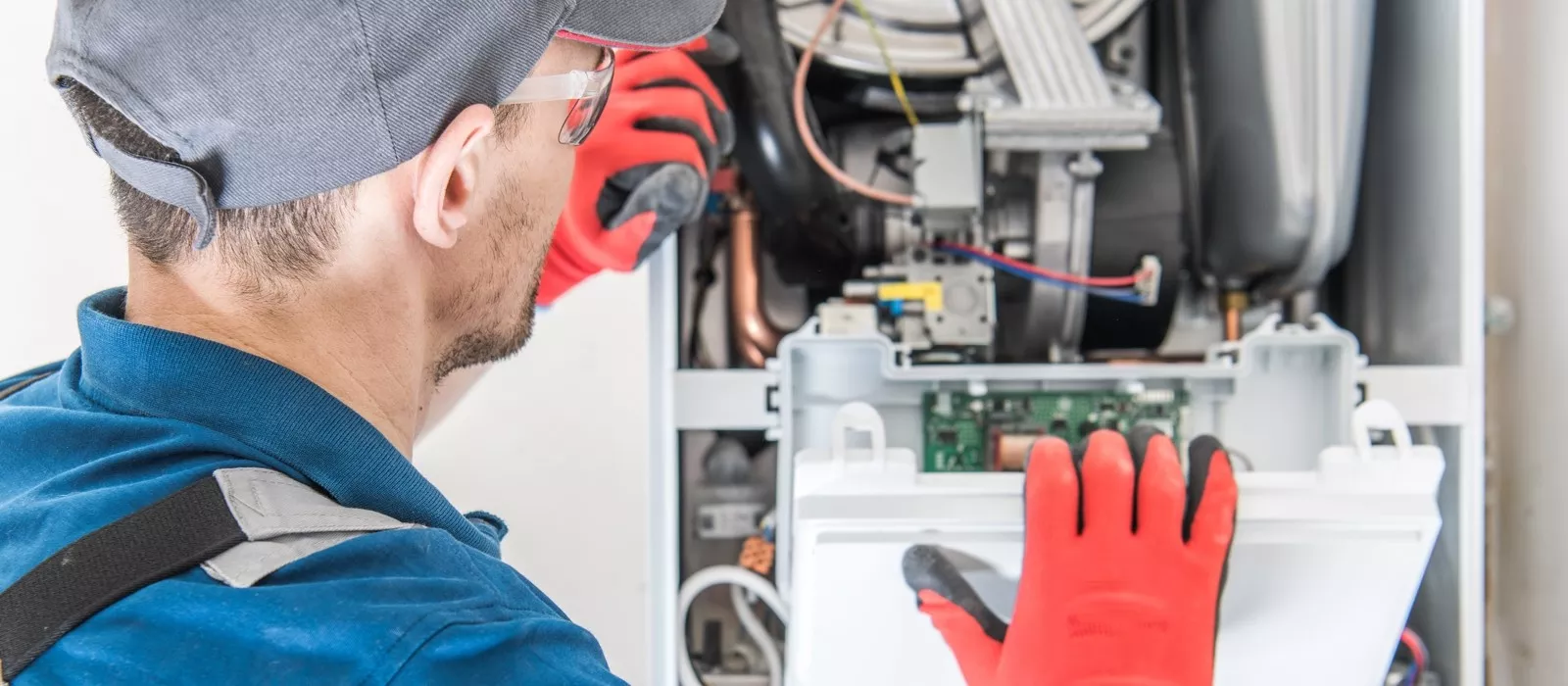
If you notice these signs, it’s a good idea to explore professional AC repair services to evaluate your system’s efficiency and recommend potential upgrades or repairs to improve HVAC energy efficiency.
Can Thermostat Settings Affect My Electricity Bill?
Yes, thermostat settings can have a big impact on your electricity bill. Here’s how:
Temperature Settings
Keeping your thermostat set to an extreme temperature—whether it’s too high in the summer or too low in the winter—can cause your HVAC system to run constantly, which increases energy consumption. According to the U.S. Department of Energy, keeping your thermostat at energy-efficient settings can significantly reduce energy use.
Programmable Thermostats
Using a programmable thermostat allows you to set the temperature to automatically adjust when you’re not home or when you’re sleeping. This prevents your HVAC system from working overtime and saves energy.
Smart Thermostats
Investing in a smart thermostat can optimize your system’s energy use by learning your patterns and adjusting the temperature accordingly. These thermostats can also be controlled remotely, making it easier to manage energy usage when you’re away.
Properly managing your thermostat settings and using smart technology can have a significant impact on your HVAC energy efficiency and reduce your high energy bills.
Do Dirty Filters Make HVAC Systems Work Harder?
Yes, dirty filters can make your HVAC system work much harder, leading to higher energy bills. Here’s how:
Restricted Airflow
The primary function of your HVAC filter is to trap dust, dirt, and debris from the air. However, over time, filters can become clogged, restricting airflow. This means your system has to work harder to pull air through the filter, using more energy in the process.
Reduced Efficiency
When the airflow is restricted, your HVAC system can’t perform as efficiently, leading to longer operating times and higher energy consumption. This also strains your system, leading to wear and tear.
Potential for System Damage
A severely clogged filter can cause the evaporator coils to freeze, which could result in a breakdown or require costly repairs.
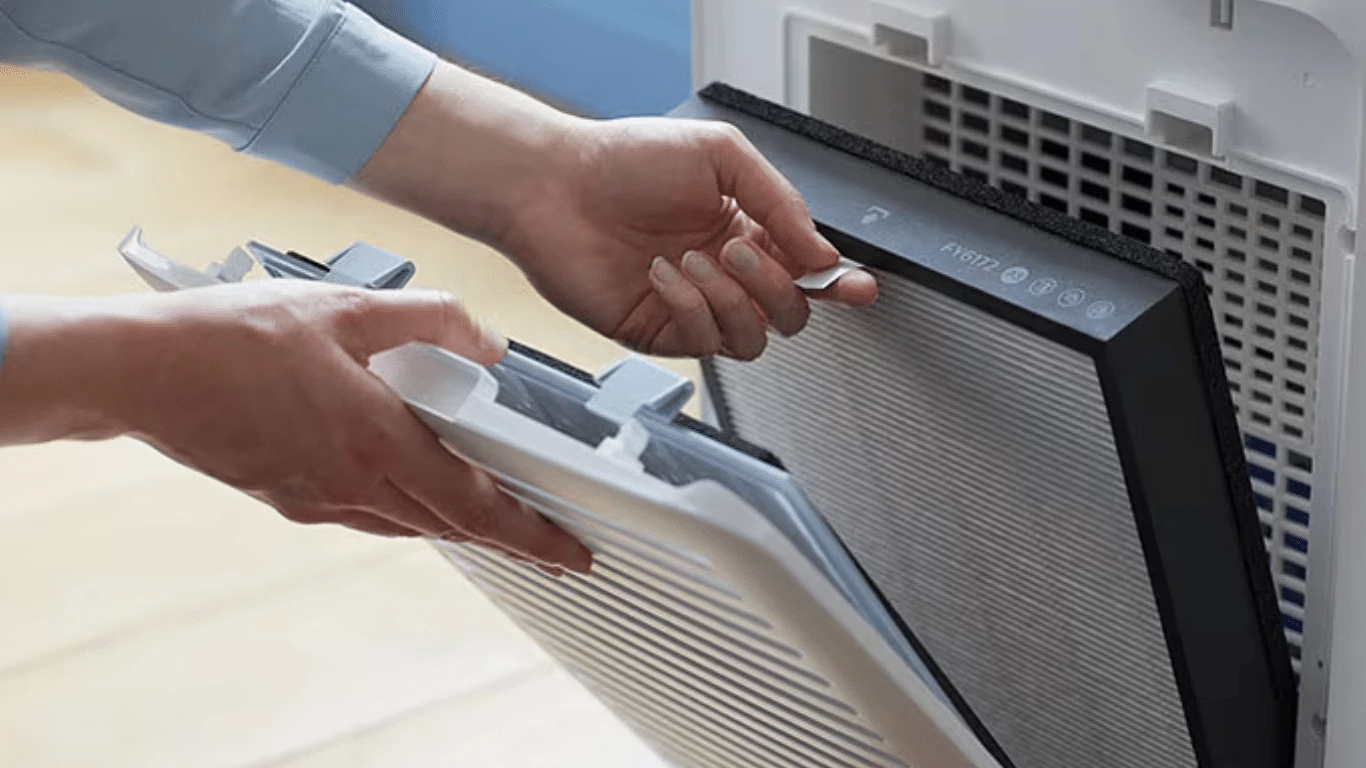
To improve your HVAC system’s efficiency, it’s important to stay consistent with air filter replacement, typically every 1-3 months depending on usage.
What HVAC Upgrades Reduce Energy Costs The Most?
There are several HVAC upgrades that can significantly reduce your energy costs:
Upgrade to a High-Efficiency System
High-efficiency HVAC systems use less energy to heat and cool your home. They are designed with modern features like variable-speed motors and smart thermostats that optimize energy use.
Install a Programmable or Smart Thermostat
Installing a programmable thermostat or smart thermostat helps manage your system’s operation more effectively, reducing unnecessary energy consumption.
Add Insulation
Insulating your home and sealing air leaks can help your HVAC system perform more efficiently by maintaining a consistent temperature inside. This reduces the load on your HVAC system, leading to lower energy bills.
Upgrade Ductwork
Leaky or poorly insulated ducts can cause significant energy loss. Sealing ducts and insulating them can help prevent air from escaping, ensuring your system doesn’t have to work harder to maintain the desired temperature.
These HVAC upgrades not only improve HVAC energy efficiency but can also provide significant savings on your energy bills over time.
How Much Can a New HVAC System Save on Energy?
Upgrading to a new HVAC system can save you a significant amount on energy costs. Here’s why:
Energy-Efficient Models
Newer HVAC systems are designed with energy efficiency in mind, often meeting or exceeding modern energy standards. These systems use less power to achieve the same or better heating and cooling performance compared to older models.
Lower Operating Costs
By investing in an energy-efficient system, you can expect to see a decrease in your monthly energy bills. On average, homeowners can save 20–40% on their energy costs by upgrading to a newer, more efficient HVAC unit.
Long-Term Savings
While the initial cost of a new system may be high, the savings on energy bills over the system’s lifespan can make it a worthwhile investment.
Is My HVAC The Biggest Energy User in My Home?
Yes, in most homes, the HVAC system is the biggest energy user. Here’s why:
Heating and Cooling
The HVAC system is responsible for regulating the temperature of your home year-round, which accounts for a large portion of your energy consumption.
Inefficiency
If your HVAC system is old or inefficient, it could be consuming even more energy than necessary. Regular maintenance and upgrades can help reduce this consumption and lower your overall energy costs.
While other appliances like refrigerators, washing machines, and lighting also use energy, your HVAC system is typically the largest consumer in your home.
Conclusion
High energy bills can often point to hidden issues with your HVAC system. When HVAC energy efficiency drops, your system works harder and uses more power than it should. From dirty filters to outdated equipment, many high energy bills HVAC problems can be fixed with the right approach.
Taking time to identify the cause helps you reduce HVAC energy cost in Summerville, SC and improve overall performance. Small changes can lead to noticeable savings, making your home more comfortable without the stress of rising monthly bills.
Lower Your Energy Bills and Boost Comfort
High energy bills can be frustrating, especially when you’re not sure what’s causing them. In many cases, poor HVAC energy efficiency is the main issue. From maintenance to system upgrades, small changes can make a big impact. If you’re dealing with high energy bills HVAC concerns, now is the time to act.
At Elite Air & Heat of Summerville, we specialize in HVAC repair and energy-efficient solutions that can help lower your energy bills. Contact us through our contact page to schedule an inspection and start saving on your energy costs!