

That high energy bill might not be as normal as you think. If your monthly costs keep climbing, your HVAC system could be a big reason why. Small problems like dirty filters, worn parts, or poor airflow can force your system to work harder than it should. Many homeowners ignore these signs until the bill gets worse.
That’s why it helps to understand a few common HVAC issues before they turn into expensive problems. From early warning signs to helpful HVAC troubleshooting, knowing when to schedule HVAC repair in Summerville, SC can help you stay comfortable and save money.
What Are the Most Common HVAC Issues Homeowners Face?
Many homeowners run into HVAC problems that seem small at first but get worse over time. Some start with a weird sound, others with weak airflow or rooms that never feel comfortable. The most frequent problems usually involve parts that wear down, get dirty, or stop working as they should.
Common HVAC issues may include:
- Dirty air filters restrict airflow
- Thermostat problems cause uneven temperatures
- Refrigerant leaks reduce cooling performance
- Frozen coils can stop the system from working properly
- Clogged drain lines may lead to water damage
- Blower motor issues affect airflow and comfort
- Electrical faults can cause sudden shutdowns
These common HVAC issues often lead to higher energy bills, poor comfort, and extra stress on the system. What starts as a minor issue can slowly turn into a more expensive repair if ignored.
That is why professional service matters. A technician can inspect the full system, find the real cause, and recommend the right fix before the problem grows. In many cases, early HVAC repair in Summerville, SC can save homeowners from a much bigger issue later.
Why Is My HVAC Making Strange Noises?
Your HVAC system should make some noise when it runs, but it should not sound loud, sudden, or alarming. If you hear banging, rattling, squealing, buzzing, or grinding, something is likely wrong.
Common HVAC noises and what they mean:
- Banging may mean a loose or broken part
- Rattling can come from screws, panels, or debris
- Squealing often points to belt or motor issues
- Buzzing may signal electrical trouble
- Grinding can mean worn motor bearings
- Clicking that will not stop may involve relay problems
- Ignoring noises can lead to bigger damage
Strange sounds are often early warning signs. A loose component may seem minor now, but it can create more wear on nearby parts if left alone. That is why it is never a good idea to just turn up the TV and hope it goes away.
With proper HVAC troubleshooting in Summerville, SC, technicians can identify where the sound is coming from and what is causing it. Fixing the source early can help restore comfort, prevent further damage, and keep your system running safely. You can also learn more about noise-related concerns in this guide on HVAC noise issues.
How Do Technicians Diagnose HVAC Problems?
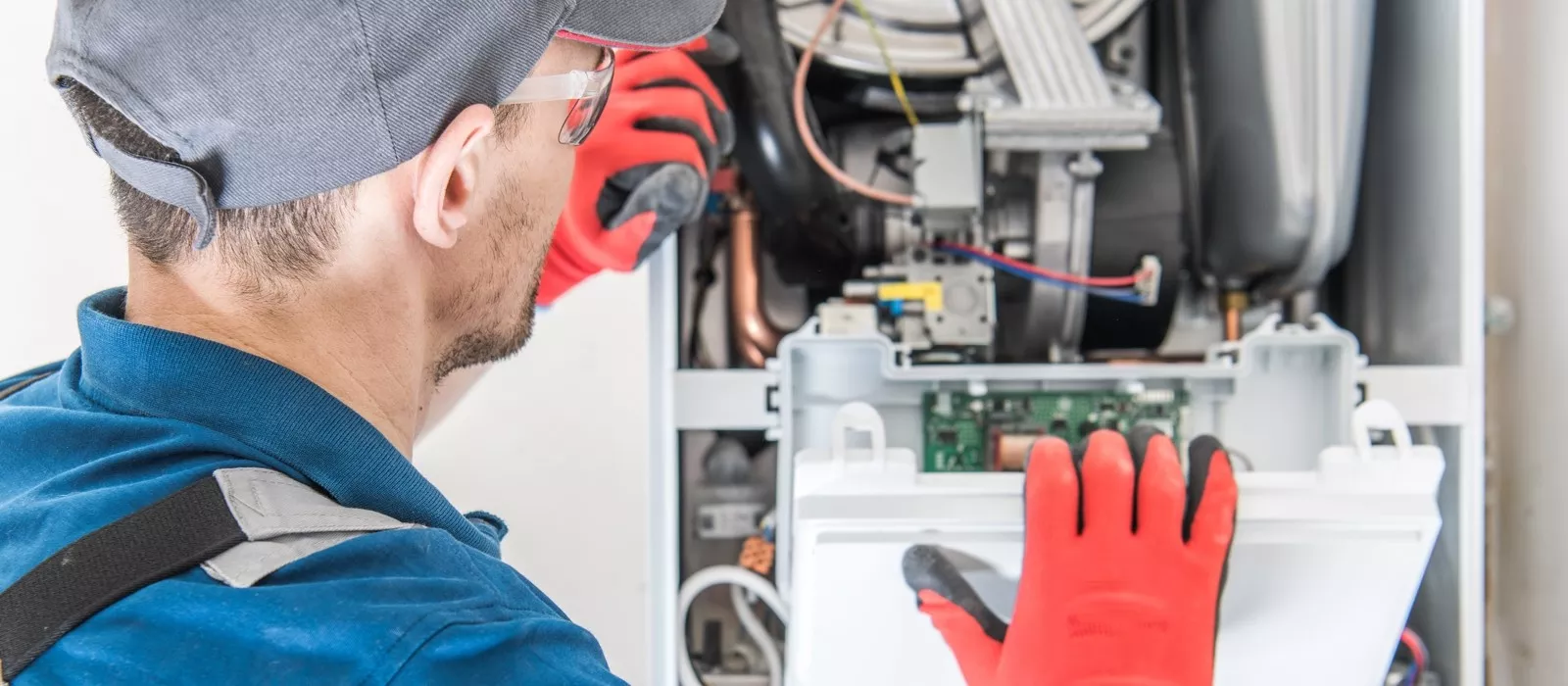
HVAC diagnosis is not guesswork. Skilled technicians follow a process to figure out what is actually wrong instead of swapping parts and hoping for the best. That approach saves time, money, and frustration.
The HVAC diagnostic process:
- They ask about comfort issues and system behavior
- They inspect the thermostat and air filter first
- They test airflow, temperature, and pressure levels
- They check electrical components for faults
- They inspect coils, motors, and drain lines
- They evaluate refrigerant levels if cooling is weak
- They connect symptoms to the root cause
This matters because many common HVAC issues can look the same from the outside. Poor cooling, for example, could be caused by low refrigerant, dirty coils, a bad thermostat, or an airflow restriction.
A professional diagnosis helps avoid wasted money on the wrong repair. Whether you are dealing with comfort issues, rising bills, or a system that keeps cycling on and off, proper HVAC repair in Summerville, SC starts with understanding the actual problem.
Can HVAC Issues Be Fixed Without Replacing the System?
Yes, many HVAC problems can be fixed without replacing the whole system. In fact, replacement is usually the last option when repairs are no longer practical or cost-effective.
Repairable HVAC components:
- Faulty thermostats can usually be replaced easily
- Capacitors and contactors are common repair items
- Drain line clogs are often simple to clear
- Dirty coils can be cleaned to restore performance
- Blower components may be repaired or replaced
- Refrigerant leaks can sometimes be repaired
- System age and condition help determine the best option
A lot of homeowners worry that one problem means the whole system is done. That is not always true. Many issues involve individual components, not the full unit. When caught early, repairs can be straightforward and much more affordable than replacement.
This is where honest guidance makes a difference. Good technicians will explain whether a repair still makes sense based on the system’s age, condition, and overall performance. With expert HVAC troubleshooting, you can make a smart decision without feeling pressured.
What Causes Poor Airflow in HVAC Systems?
Poor airflow is one of the most common complaints homeowners have. You may notice certain rooms feel warmer than others, or that the air coming from the vents seems weak. It is frustrating, and it often points to a deeper issue.
Main causes of poor airflow:
- Dirty air filters block proper airflow
- Closed or blocked vents reduce circulation
- Leaky ducts let conditioned air escape
- Damaged ductwork affects room-to-room comfort
- Blower motor problems weaken air movement
- Dirty or frozen coils can reduce airflow
- Poor duct design may cause uneven temperatures
Poor airflow is not just uncomfortable. It also forces your HVAC system to work harder, which can increase wear and raise your energy bills. In some cases, it can even lead to overheating or frozen components.
Because weak airflow is tied to many common HVAC issues, it is important to get it checked sooner rather than later. A technician can inspect the system, test airflow, and fix the source before it leads to bigger problems. Regular air conditioning maintenance can also help prevent these airflow issues.
How Much Do Common HVAC Repairs Cost?
HVAC repair costs can vary depending on the issue, the parts involved, and how serious the problem is. Some fixes are simple and affordable, while others require more labor and more expensive components.
Typical HVAC repair cost factors:
- Small electrical parts usually cost less to replace
- Thermostat repairs are often relatively affordable
- Drain line cleaning is usually a minor service
- Motor or blower repairs can cost more
- Refrigerant leaks may increase repair costs
- Older systems may require harder-to-find parts
- Early service often prevents more expensive repairs
For many homeowners, the hardest part is not knowing whether the issue is minor or major. A strange noise could be a loose part, or it could be a failing motor. Weak cooling might be a dirty coil or something more involved.
That is why a clear inspection matters. Reliable HVAC troubleshooting in Summerville, SC gives you a better idea of what needs to be fixed and what it may cost. The sooner you deal with the issue, the better your chances of keeping the repair simple and manageable. For general cost expectations, you can also review guidance from the U.S. Department of Energy.
When Should I Repair vs Replace My HVAC System?
This is one of the biggest questions homeowners face, and the answer depends on more than one thing. Age, repair history, performance, and energy efficiency all play a role.
Key factors to consider:
- Repair may be best for newer systems
- Replacement makes more sense for older units
- Frequent breakdowns are a sign to reconsider repairs
- High energy bills may point to declining efficiency
- Major part failures can shift the cost equation
- Uneven comfort may signal a system that is wearing out
- Long-term value should guide the decision
If your unit is still fairly new and the problem is isolated, repair is usually the better move. But if the system is older, breaking down often, and struggling to keep up, replacement may save more money in the long run.
The right choice comes from looking at the full picture, not just one service bill. Sometimes HVAC repair in Summerville, SC is all you need. Other times, investing in a replacement brings better comfort, better efficiency, and fewer headaches down the road.
Final Thoughts
When your HVAC system is not working the way it should, it can affect everything from your comfort to your monthly budget. The good news is that many issues can be diagnosed and fixed before they become major problems. Whether it is weak airflow, odd sounds, or a system that just cannot keep up, knowing the warning signs puts you in a better position to act early. With the right care and timely repairs, you can extend the life of your system, improve efficiency, and avoid unnecessary stress at home.
Get Real Answers Before a Small HVAC Problem Turns Into a Big One
When your HVAC system starts acting up, we know how frustrating it can be to guess what is wrong or wonder what it will cost. At Elite Air & Heat of Summerville, we believe homeowners deserve honest answers, dependable service, and solutions that truly make sense.
Whether you need an HVAC repair in Summerville, SC, a full inspection, or help deciding between repair and replacement, we are here to guide you every step of the way. Reach out through our contact page today and let us help you restore comfort, improve efficiency, and feel confident in your HVAC system again.