
If your AC not cooling properly, it can quickly turn your home from comfortable to frustrating. The real question most homeowners face isn’t just why it’s happening, but whether to fix the issue or invest in a full system replacement.
The answer depends on factors like age, repair costs, efficiency, and how often your system breaks down. In this guide, we’ll walk you through everything you need to know about repair vs replace HVAC in Summerville, SC, so you can make the right decision for your home and budget.
Why is My AC Not Cooling Properly?
When your air conditioner stops doing its job, there are several possible causes, ranging from simple fixes to major system issues.
Common reasons your AC is not cooling:
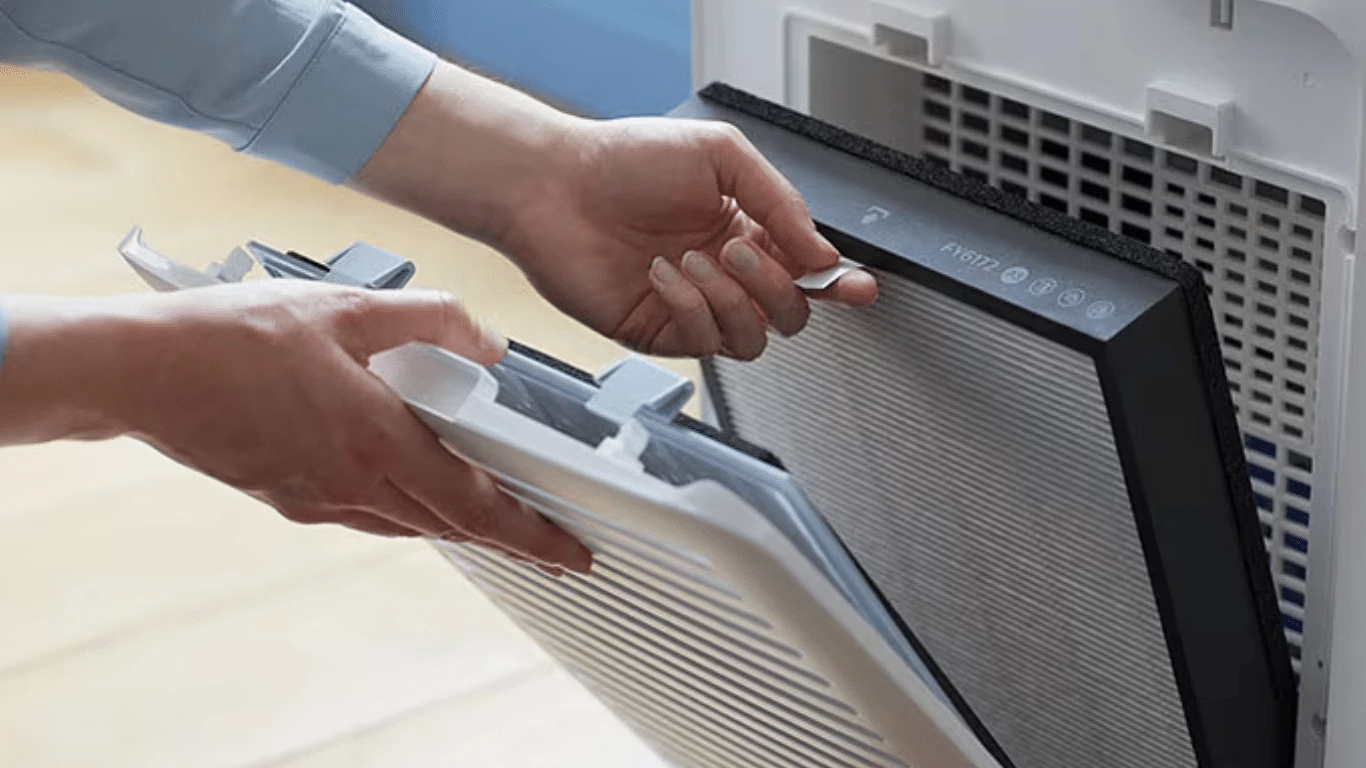
- Dirty or clogged air filters
Restricted airflow can prevent your system from cooling efficiently. This is one of the easiest issues to fix. Learn more about proper air filter maintenance. - Low refrigerant levels
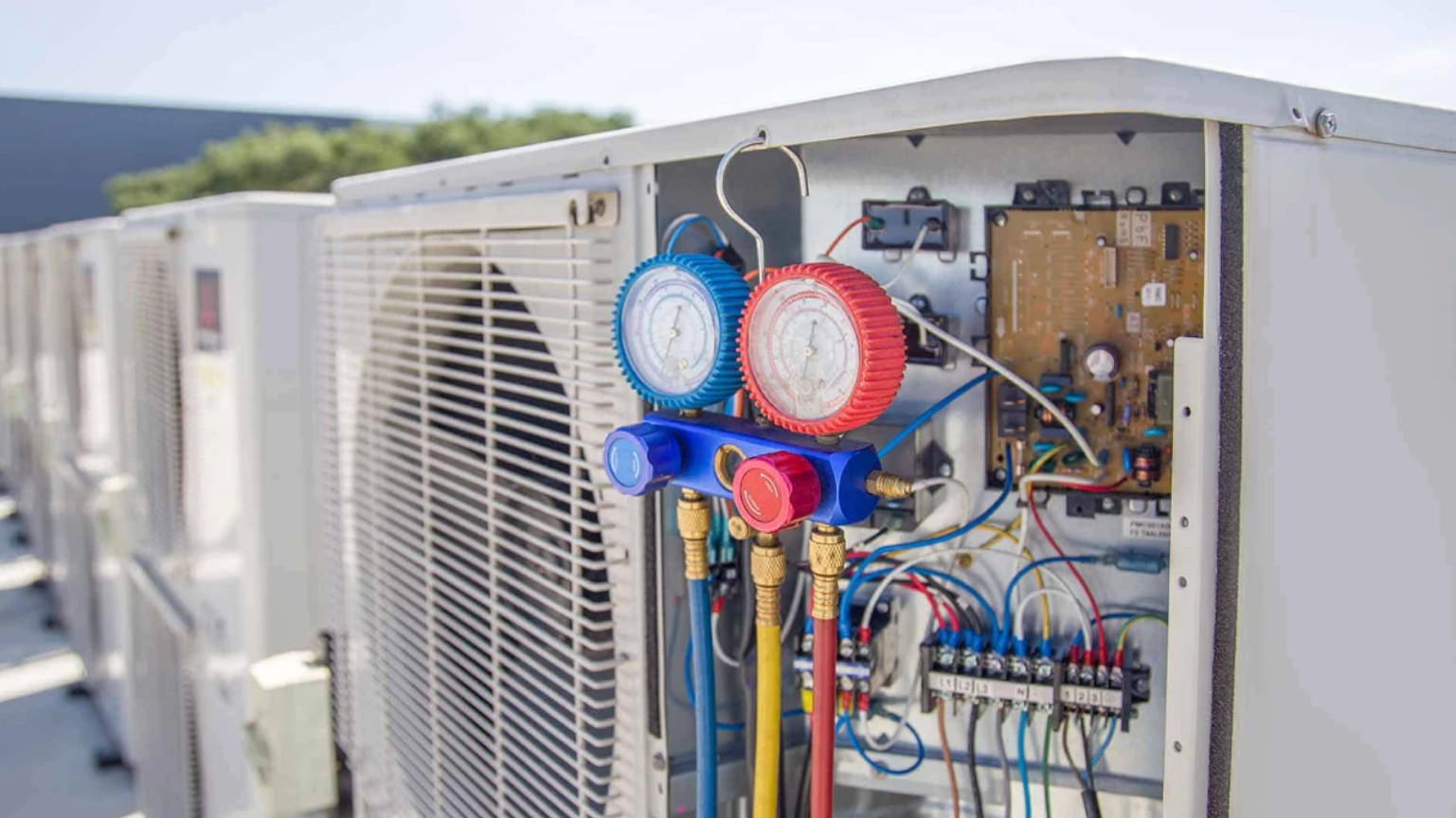
Refrigerant is essential for cooling. If levels are low, it usually means there’s a leak that requires professional AC repair services. - Thermostat problems
Incorrect settings or faulty thermostats can cause your system to run improperly. Explore common thermostat issues and compatibility concerns. - Frozen evaporator coils
When airflow is blocked or refrigerant is low, coils can freeze and stop cooling altogether. Understand more about evaporator coil function. - Dirty condenser unit
Outdoor units covered in dirt or debris struggle to release heat, reducing cooling performance. Learn how condenser coils affect efficiency.
Quick troubleshooting tips:
- Check your thermostat settings
- Replace or clean your air filter
- Inspect the outdoor unit for debris
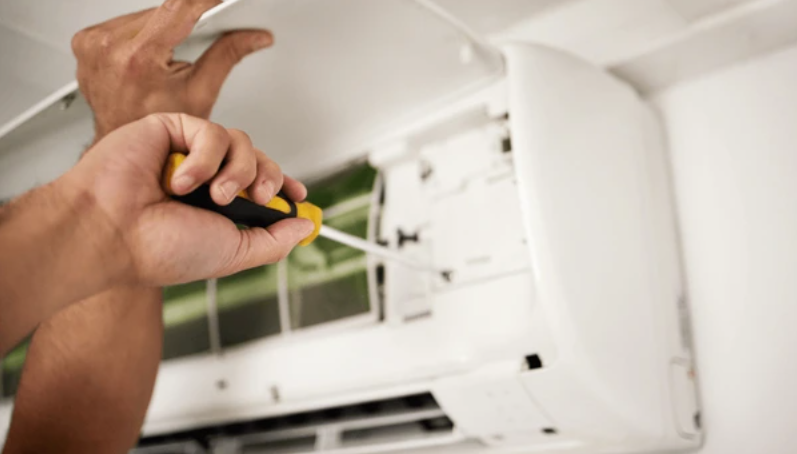
If these steps don’t solve the issue, it’s time to call for professional AC repair in Summerville, SC to diagnose the problem.
How Do I Know If My AC Needs Repair or Replacement?
Deciding between a repair and a replacement can feel overwhelming, but a few key indicators can guide your decision.
When repair makes sense:
- The system is under 10 years old
Newer systems are usually worth fixing unless the repair is unusually expensive. - Minor issues
Problems like capacitor failure, thermostat replacement, or clogged filters are quick and affordable fixes. - First-time breakdown
If your system has been reliable until now, a repair is often the best route.
When replacement is the better option:
- Frequent breakdowns
If you’re constantly dealing with AC not cooling issues, replacement may save money long-term. - High repair costs
A common rule is the “50% rule”: if repairs cost more than half the price of a new unit, replacement is smarter. - Rising energy bills
Older systems lose efficiency, which can increase monthly costs significantly. Discover more about energy efficiency concerns.
Choosing between repair vs replace HVAC in Summerville, SC depends on balancing cost, reliability, and efficiency.
Is It Worth Fixing An Old HVAC System?
Older systems can be tricky. While repairs might seem cheaper upfront, they don’t always provide long-term value.
Factors to consider:
- Age of the system
If your AC is over 10–15 years old, it’s nearing the end of its lifespan. - Frequency of repairs
Repeated AC repair calls can add up quickly. - Efficiency levels
Older units use more energy and cost more to operate.
When repair might still work:
- The issue is minor
- The system is well-maintained
- Repair costs are low
When replacement is smarter:
- Major component failure (compressor, coil)
- Multiple repairs within a short time
- Poor cooling performance even after repairs
Sometimes repairing an old unit is like putting money into a car that keeps breaking down. At a certain point, upgrading becomes the more practical choice in the repair vs replace HVAC decision. Learn about the hidden costs of delaying AC replacement.
What is The Average Lifespan of an AC Unit?
Understanding how long your system should last helps you plan ahead.
Typical lifespan:
- Central AC systems: 10–15 years
- Well-maintained units: up to 20 years
What affects lifespan:
- Maintenance habits
- Usage frequency
- Climate conditions
- Installation quality
Why this matters:
If your unit is approaching or exceeding its expected lifespan and showing signs of AC not cooling, replacement becomes more cost-effective than ongoing repairs. Regular AC maintenance services can help extend system life.
How Much Does AC Repair Vs Replacement Cost?
Cost is often the deciding factor for homeowners.
AC repair costs:
- Minor repairs: relatively low
- Moderate repairs: mid-range
- Major repairs (compressor, coils): high
AC replacement costs:
- Higher upfront investment
- Includes new unit, labor, and installation
Cost comparison insight:
While AC repair is cheaper initially, repeated repairs can exceed the cost of replacement over time.
Long-term savings:
A new system can:
- Lower energy bills
- Reduce repair frequency
- Improve home comfort
Smart decision tip:
When evaluating repair vs replace HVAC, always consider total cost over time, not just the immediate expense. Explore AC replacement options to understand what’s involved.
What are Signs My HVAC System is Failing?
Your HVAC system usually gives warning signs before completely breaking down.
Common red flags:
- Weak airflow
Air isn’t circulating properly, making it harder to cool your home. - Warm air instead of cool air
A clear sign of AC not cooling effectively. - Strange noises
Grinding, banging, or squealing sounds often indicate internal damage. - Frequent cycling
The system turns on and off too often, signaling inefficiency. - High humidity indoors
A properly functioning AC should regulate humidity levels. Learn more about humidity control issues. - Increased energy bills
A struggling system uses more energy to do less work.
What to do:
If you notice these signs, schedule an inspection immediately. Early AC repair services can prevent more expensive issues later.
Will a New AC Unit Improve Energy Efficiency?
Yes, and the difference can be significant.
Benefits of upgrading:
- Lower energy consumption
Modern units are designed to use less energy while delivering better performance. - Better cooling consistency
No more hot and cold spots throughout your home. - Advanced technology
Smart thermostats and variable-speed systems optimize efficiency. - Environmental benefits
New systems use eco-friendly refrigerants and reduce carbon footprint.
Financial impact:
Although replacement costs more upfront, the long-term savings on energy bills can offset the investment.
If your current system struggles with AC not cooling, upgrading can dramatically improve comfort and efficiency.
Final Thoughts
When your AC is not cooling properly, the best choice depends on the age, condition, and repair history of your system. A simple issue like a dirty filter, thermostat problem, or clogged outdoor unit may only need a quick repair.
But if your system is older, breaks down often, or costs too much to fix, replacement may be the smarter long-term option. Looking at repair costs, energy bills, comfort levels, and system efficiency can help you decide.
The goal is simple: keep your home cool, lower wasted energy, and avoid spending money on a system that can’t keep up.
Stay Cool with Expert Help in Summerville, SC
Dealing with an AC not cooling situation can be stressful, especially when you’re unsure whether to repair or replace your system. The right decision comes down to your unit’s age, repair history, and overall efficiency.
At Elite Air & Heat of Summerville, we help homeowners navigate the repair vs replace HVAC decision with honest recommendations and expert service. Whether you need fast AC repair or a full system upgrade, our team is here to keep your home comfortable year-round.
If your AC isn’t performing like it should, don’t wait. Contact our team today and let’s get your cooling system back on track.